Description
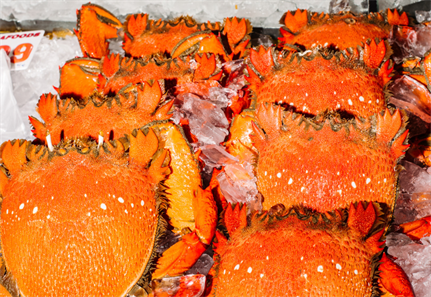
Available wild-caught, these marine dwellers are found from close inshore to at least 100m, usually buried in sand from where they attack small bottom-dwelling fish. Their long, almost goblet-shaped, bright orange shells (even when uncooked) and spanner-shaped front claws are quite distinctive. Found around most of the Australian coast from NSW north to southern WA, they are caught commercially, mainly using dillies, but also as a bycatch of prawn trawling, off southern Queensland and northern NSW. The fishery has increased greatly since the early 1980s.
Price
Low-medium priced (though price is increasing as popularity increases).
Relations
Only commercially fished member of the Raninidae family.
To Buy
They are usually sold cooked, but are occasionally available live. It is best not to buy dead uncooked spanner crabs, as it’s difficult to tell how long they’ve been dead.
Crabs should feel heavy for their size and have their legs and claws intact. Look for firm, intact shells, without any discolouration, particularly at joints, and a pleasant fresh sea smell.
If possible, give them a gentle shake to ensure there’s no sound of sloshing water. Males are larger and more common than females. Females with eggs are protected.
To Store
Live Crabs should be consumed as soon as possible after purchase. Place in a container, cover with damp paper or cloth and keep in the warmest part of the refrigerator, which is usually the crisper (optimum 5°C). Once cooked, wrap in plastic wrap or foil and store in an airtight container in the fridge for up to 3 days, or freeze for up to 3 months below 18ºC. Picked crabmeat can be stored in the same way.
To Cook
The shell is burgundy-orange even when uncooked, turning a brighter orange when cooked. Average yield is 25% (from claws and body). The flesh is translucent when raw and white when cooked, it has a distinctive, sweet flavour, low oiliness and is soft and moist. The most humane, and easiest, method of killing any crustacean is to chill it in the freezer for about 45 minutes until it becomes insensible (but not long enough to freeze it). Once chilled, it should be killed promptly by splitting in half or dropping into rapidly boiling water. See NSW Department of Primary Industries and RSPCA for more details.
Cooking Methods
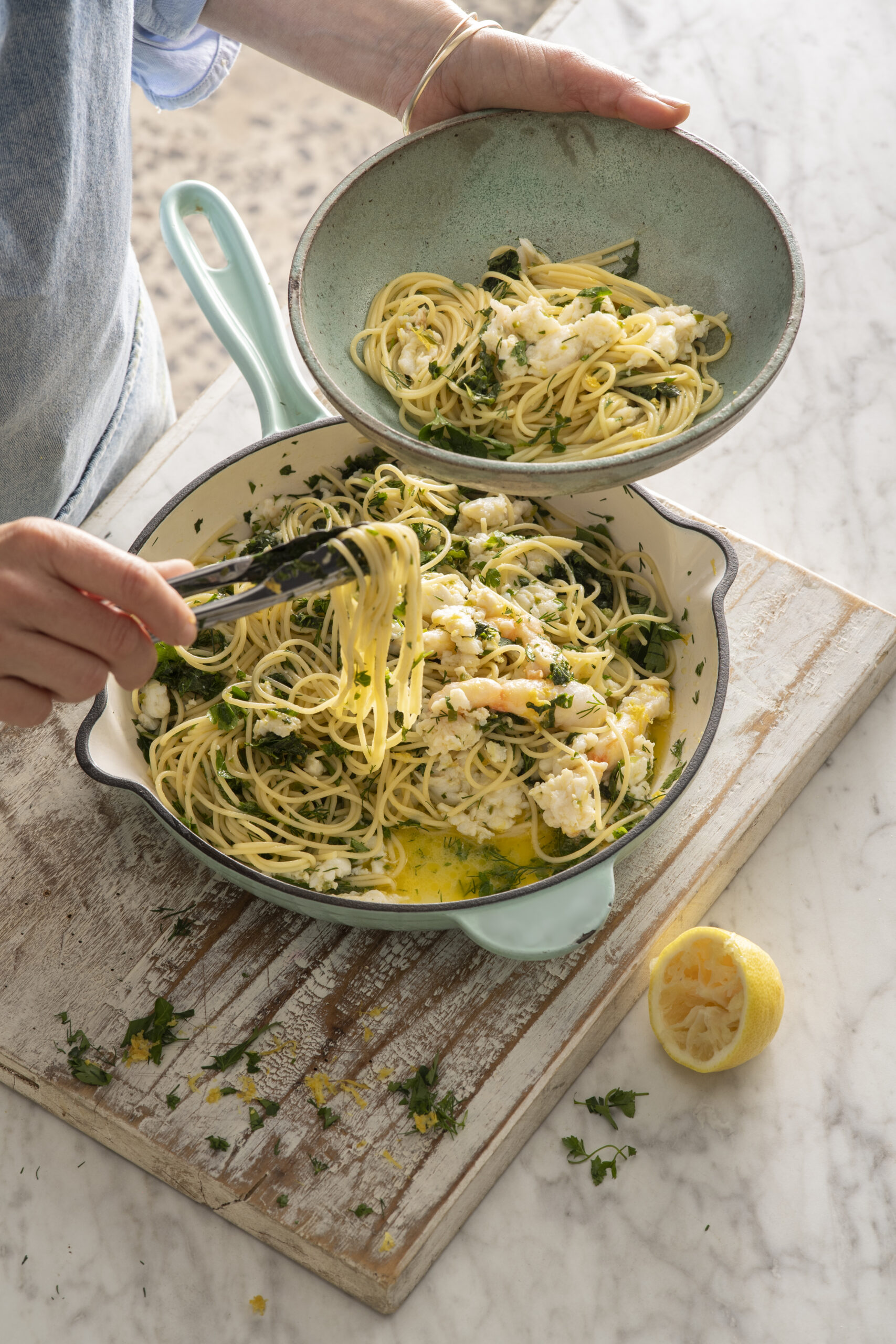
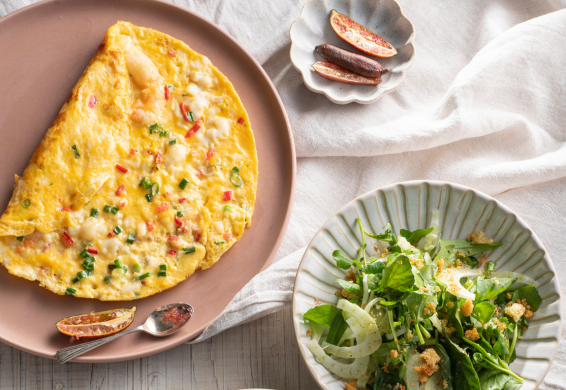
Steam, poach, boil. Do not recook cooked Crabs, pick the meat and use it in salads, sandwiches, as a garnish for soups, or in dishes where it is just gently warmed, such as pasta, risotto, Crab cakes and omelettes. Given its thick top shell, Spanner Crab is best used for its meat rather than presented in the shell.
Goes Well With
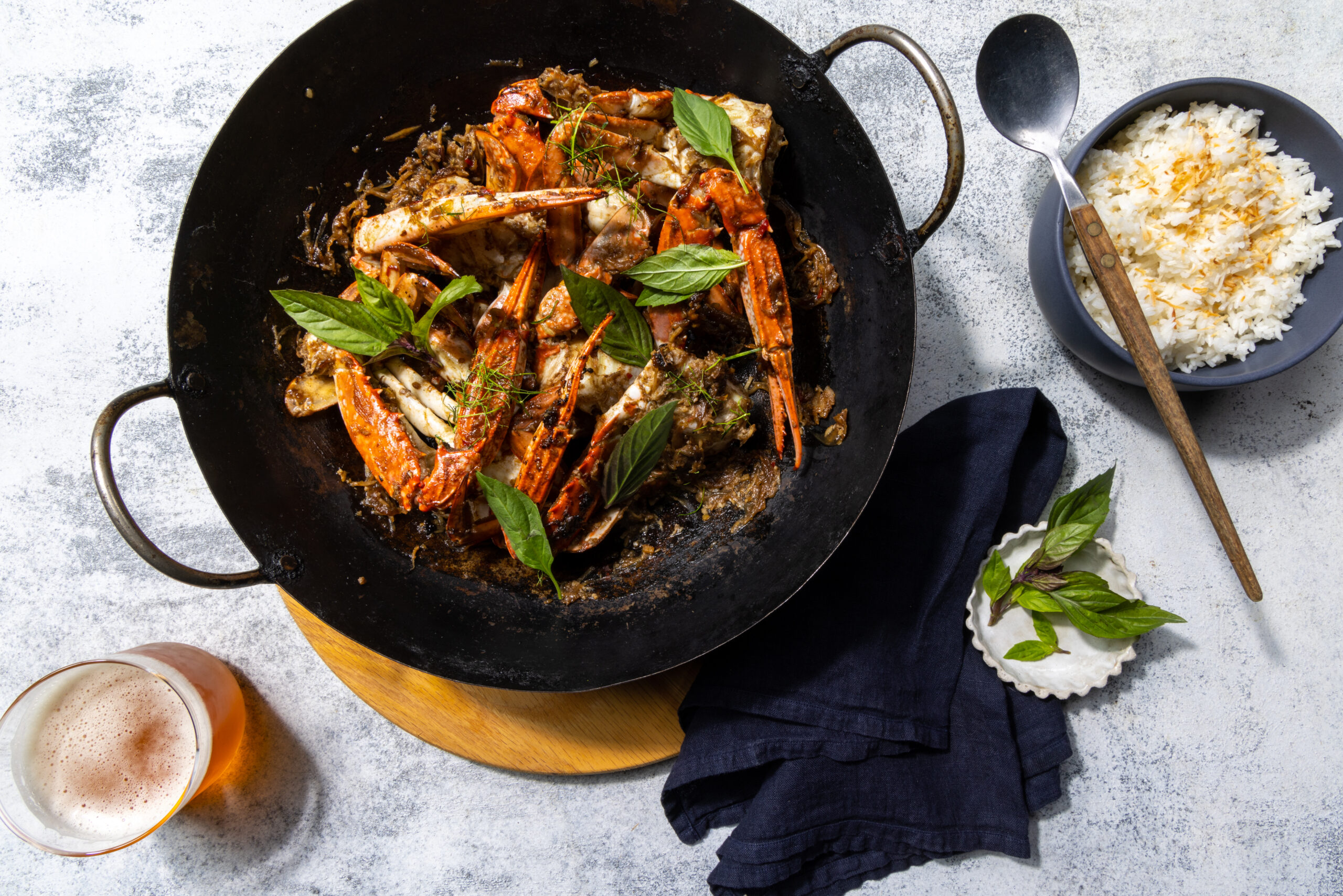
Anchovies, black pepper, butter, chilli, coconut, cream, fish sauce, garlic, ginger, herbs (such as chervil, coriander, dill, French tarragon, parsley), lemon, lemongrass, lime, mayonnaise, nutmeg, onion, soy sauce, tomatoes, turmeric.
Imports
None; however, a lot of Australia’s catch is exported (mostly live).