Description
These native of the Pacific Ocean around western North America and north-eastern Asia (especially Japan) were introduced to Australia in the 1870s. Wild stocks are limited to Lake Purrumbete and Lake Bullen Merri in south-western Victoria.
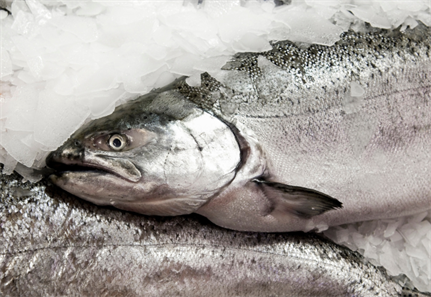
They have however been farmed in sea cages in New Zealand’s Marlborough Sounds since the 1980’s and New Zealand is now the world’s major supplier of this species, marketing it as ‘King Salmon’. Freshwater-raised fish look similar to Rainbow Trout, but lack the orange patch on the gill cover and stripe along the side, the skin is silvery becoming spotted and olive green towards the top, while those raised in saltwater are more silvery blue, looking very similar to Atlantic Salmon but slightly paler with a smaller tail.
The Latin name derives from the Greek onkos (“hook”) and rynchos (“nose”), referring to the hooked jaw males develop in the mating season to fight off competitors.
Price
High priced.
Relations
Other Salmons (including Atlantic Salmon); Trouts (such as Rainbow and Brown Trouts); Char/Charr (such as Brook Trout, marketed as ‘Saltwater Charr’ in Australia).
To Buy
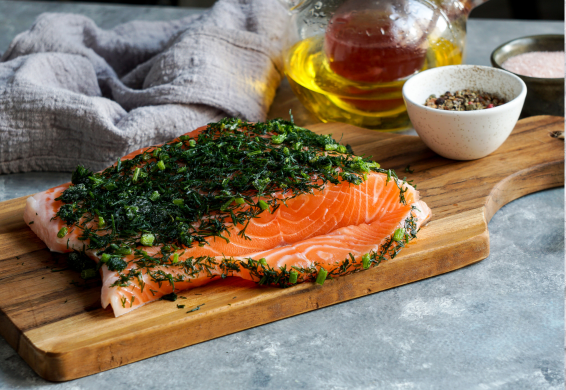
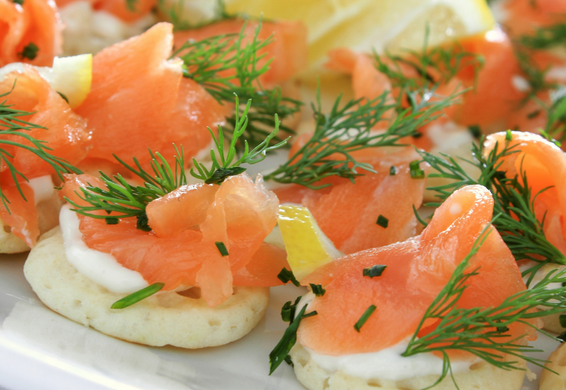
Sold whole (gilled and gutted), in cutlet, steak and fillet forms, fresh, smoked and cured as gravlax. Roe is also available. In whole fish look for lustrous skin with a slippery, mucilaginous coating, firm flesh, and a pleasant, fresh smell. In cutlets, steaks and fillets, look for orangey-pink, firm, lustrous, moist flesh without any brown markings or oozing water and with a pleasant fresh smell.
To Store
Make sure whole fish is scaled, gilled, gutted and cleaned thoroughly. Wrap whole fish, fillets, cutlets and steaks in plastic wrap or place in an airtight container. Refrigerate for up to 3 days or freeze for up to 3 months below -18ºC.
To Cook
Average yield is 78%. Has a rich, distinctive flavour, high oiliness and moist, medium-textured flesh with large flakes and fine pin bones, which are easily removed.
Saltwater-reared fish have a darker coloured flesh than that of Atlantic Salmon, with a higher oil content and slightly softer texture. The edible skin can be left on.
The centre bone of cutlets can be removed and a filling placed in the cavity. Score whole fish at the thickest part of the flesh, and cut thick fillets into serving-size portions, to allow even heat penetration. It can be served hot or cold.
Cooking Methods
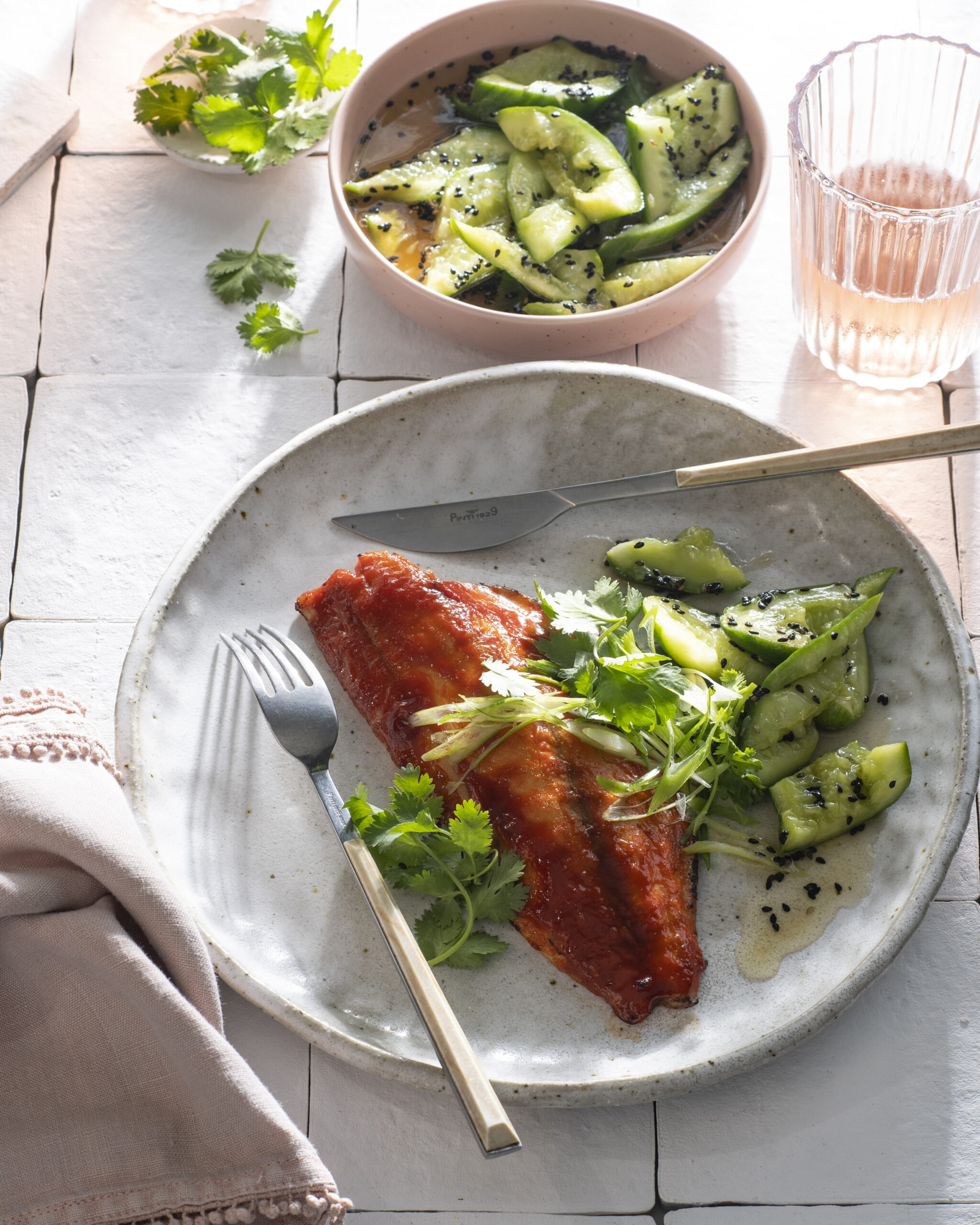
Steam, poach, pan-fry, stir-fry, bake, braise, grill, barbecue, smoke, raw (sashimi), pickle. An attractive fish cooked whole. Flesh has good gelling characteristics and works well in mousseline or minced for fish cakes and fish balls.
The firm flesh holds together well in soups, curries and casseroles and can be cubed for kebabs. It is ideal served rare.
Goes Well With
Bitter and peppery greens (endive, radicchio, rocket, watercress), butter, capsicum, citrus, curries (especially Thai-style red curry), English spinach, garlic, mayonnaise, olives, pasta, sorrel, vinegar, wine (red and white).
Imports
Imported chilled from New Zealand. Smoked Salmon (from various species) is imported from Europe and North America.