Description
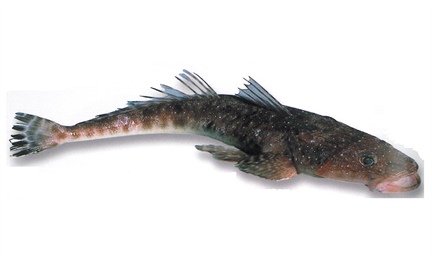
These appropriately named bottom-dwelling marine fish have a flat-triangular shaped head and long tapering body covered with pale blue or red spots. Wild-caught, they are found mainly on the mid-continental shelf at depths of 50-90m are caught off NSW as bycatch of prawn and fish trawling. It is endemic to Australia and looks quite similar to Southern Sand Flathead.
Price
Low priced.
Relations
Bartail, Deepwater, Dusky, Dongspine, Dorthern Sand, Rock, Southern Bluespotted, Southern Sand, Tiger, and other Flatheads.
To Buy
Sold whole (gilled and gutted) and in fillet form. In whole fish look for lustrous skin with a slippery, mucilaginous coating, firm flesh, and a pleasant, fresh sea smell. In fillets, look for yellowish-white, firm, lustrous, moist flesh without any brown markings (dark veins are common) or oozing water and with a pleasant fresh sea smell.
To Store
Make sure whole fish is scaled, gilled, gutted and cleaned thoroughly. Lay whole fish and fillets in a single layer on a plate and cover with plastic wrap or place in an airtight container. Refrigerate for up to 3 days or freeze whole fish for up to 6 months, and fillets for up to 3 months, below -18ºC.
To Cook
Average yield is 30%. Has a slightly sweet flavour, low oiliness and slightly dry, medium textured flesh with fine flakes. Their unusual shape means that there are relatively few bones, mostly towards the head section of the fillet, which are easily removed. The bones make good stock. Cut thick fillets into serving-size portions to allow even heat penetration.
Cooking Methods
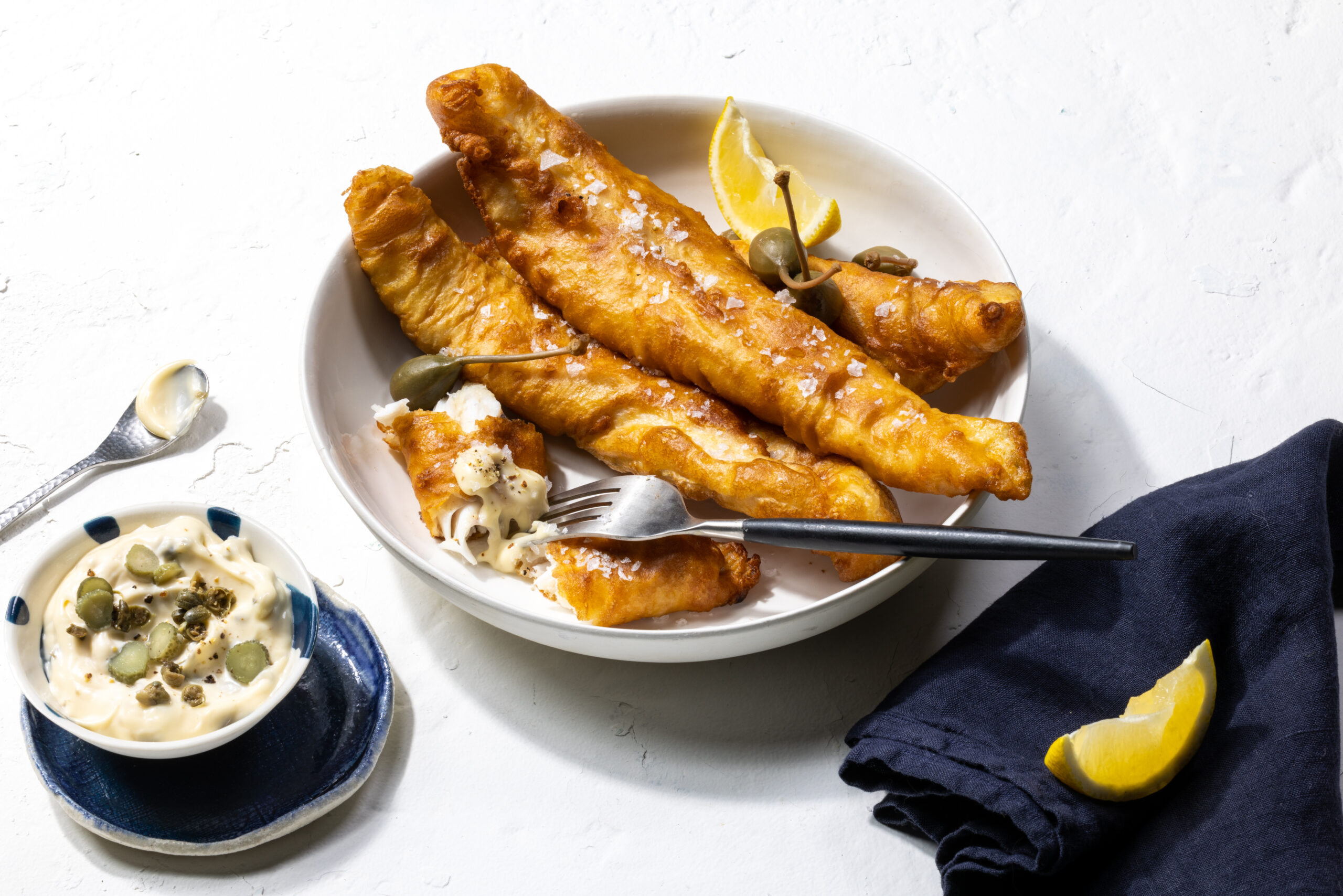
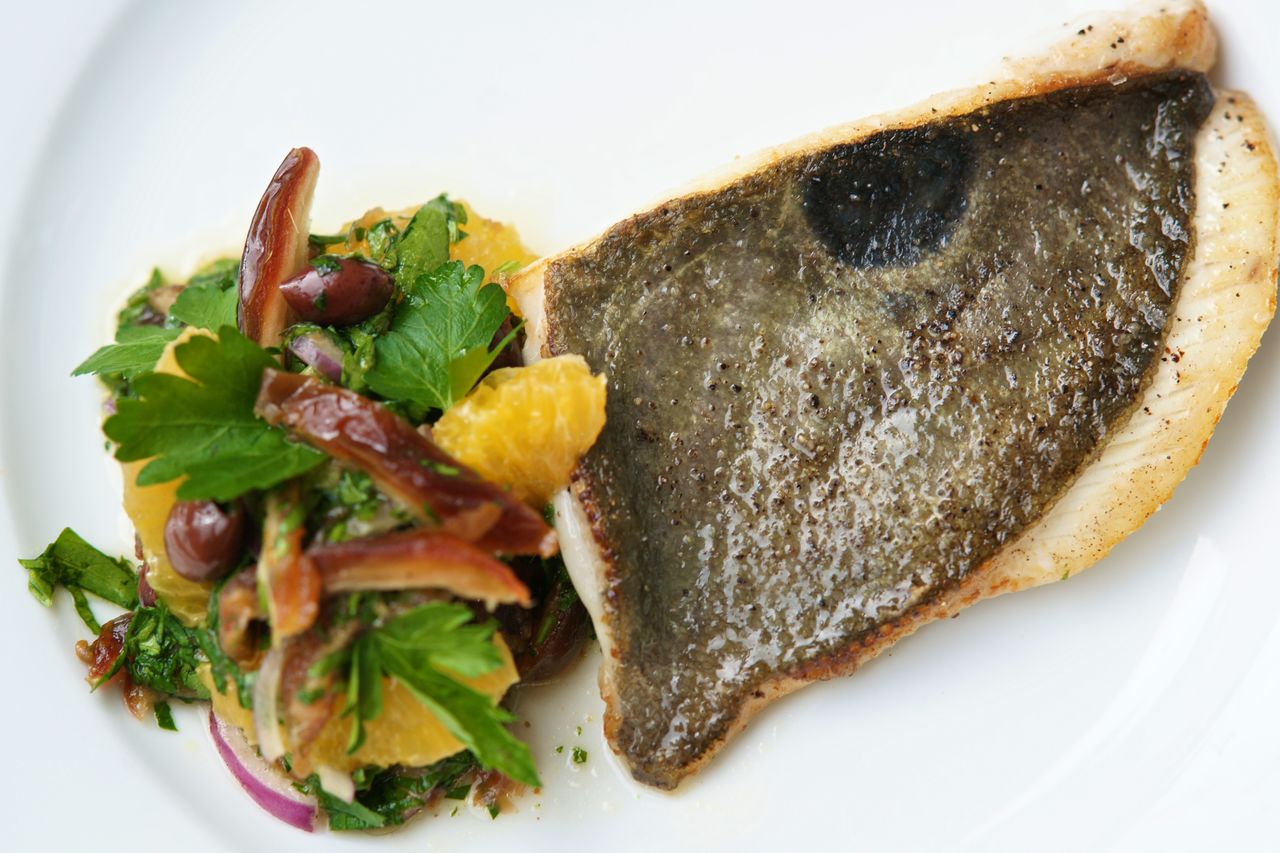
Steam, poach, deep-fry, pan-fry, bake, grill, barbecue. It is best wrapped in foil or banana leaves if baking or barbecuing, to prevent it drying out. It is an excellent fish battered for fish and chips.
Goes Well With
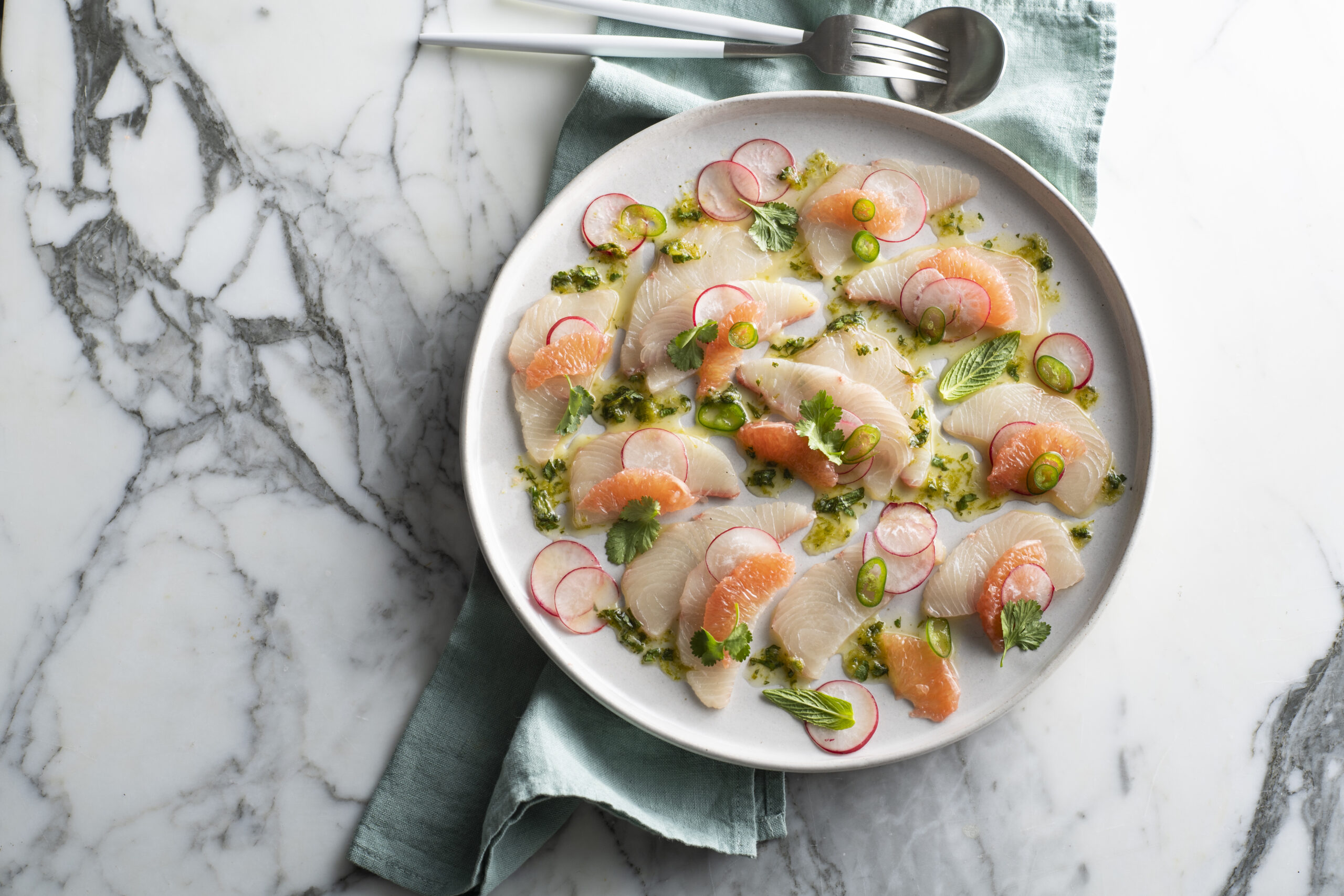
Beer batter, beetroot, cauliflower, capers, cornichons, dill, garlic, horseradish, lemon, lettuce, lime, mayonnaise, onions, tartare sauce, tomato, white wine vinegar, yoghurt.
Imports
None.