Description
Available wild-caught, it is a marine fish found close to the coast, in estuaries and commonly around river mouths. It is found from the central Queensland coast north to the NT and comprises a small component of coastal net-fisheries in those areas.
Price
Medium priced.
Relations
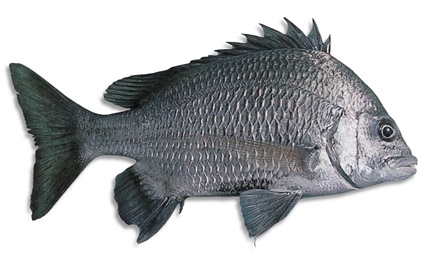
Black Bream, Frypan Bream, Tarwhine, Yellowfin Bream and Snapper (Chrysophrys auratus, not Goldband Snapper). The similar looking Black Bream is lighter (silvery rather than greyish) and has a distinctive dark spot at the base of the pectoral fin, while Pikey Bream’s colour varies with habitat, with fish from upper reaches of rivers being darker.
To Buy
Sold mainly whole (gilled and gutted) and occasionally in fillet form (usually skinned). In whole fish look for lustrous skin, firm flesh, and a pleasant, fresh sea smell.
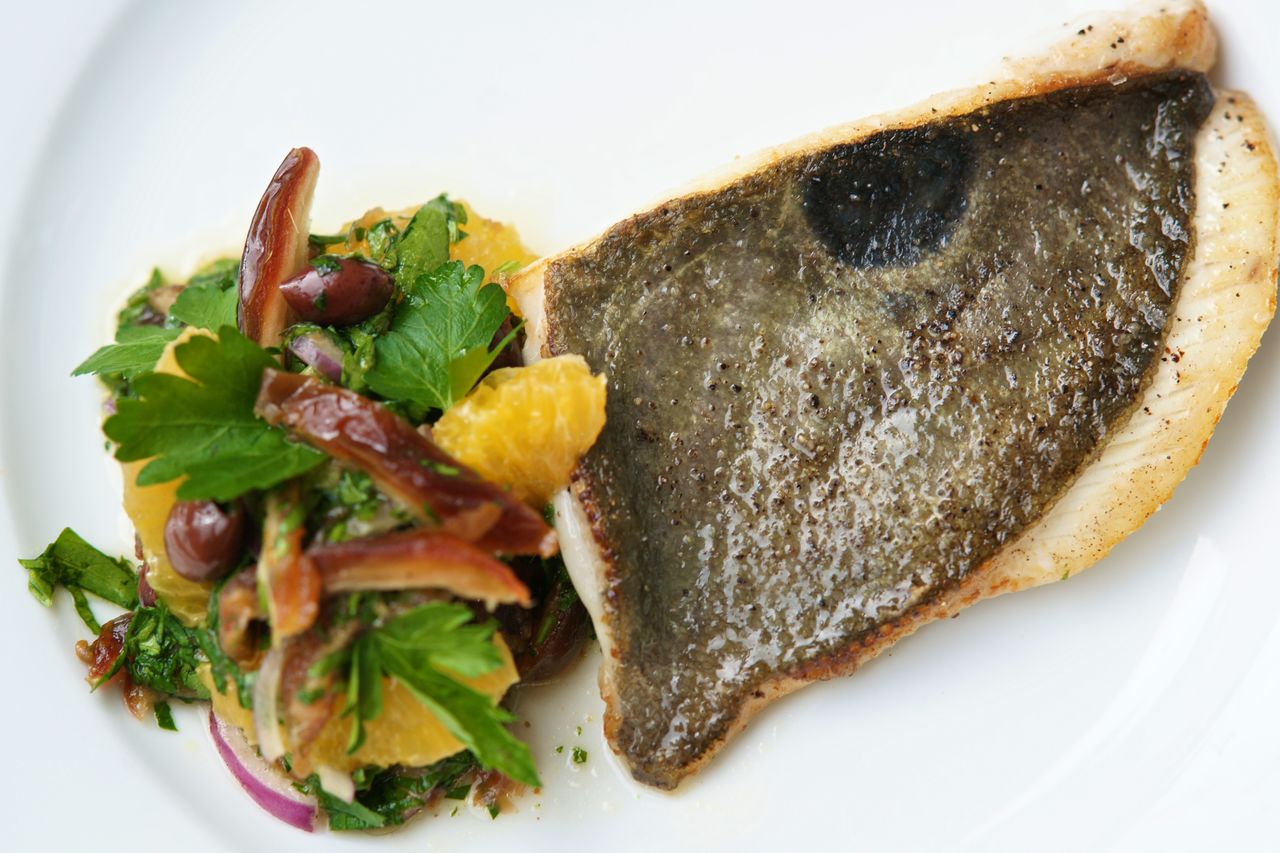
In fillets, look for pale pinkish, firm, lustrous, moist flesh with some dark veins and without any brown markings or oozing water and with a pleasant fresh sea smell.
To Store
Make sure whole fish is scaled, gutted and cleaned thoroughly as soon as possible (completely remove the lining of the abdominal cavity and the white fat along the abdominal wall). Wrap whole fish and fillets in plastic wrap or place in an airtight container. Refrigerate for up to 3 days or freeze whole fish for up to 6 months, and fillets for up to 3 months, below -18ºC.
To Cook
Average yield is 35%. Has a mild, sweet flavour, low oiliness and moist, soft-medium flesh.
Cooking Methods
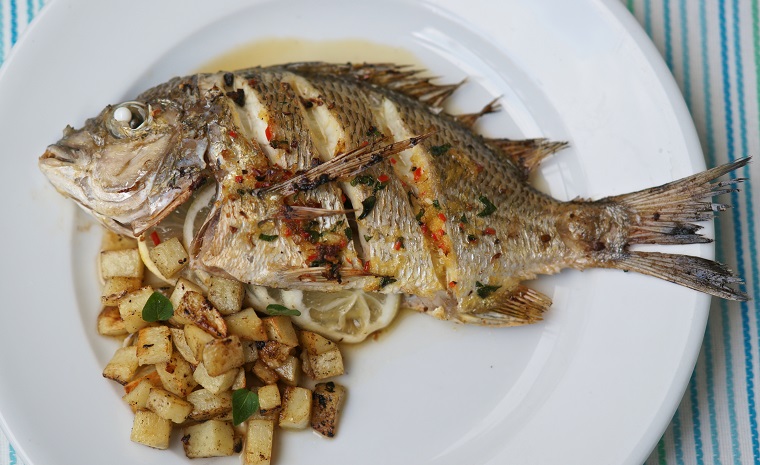
Steam, poach, pan-fry, bake, grill, barbecue. A good plate-sized fish cooked whole, flesh also works well in mousseline.
Goes Well With
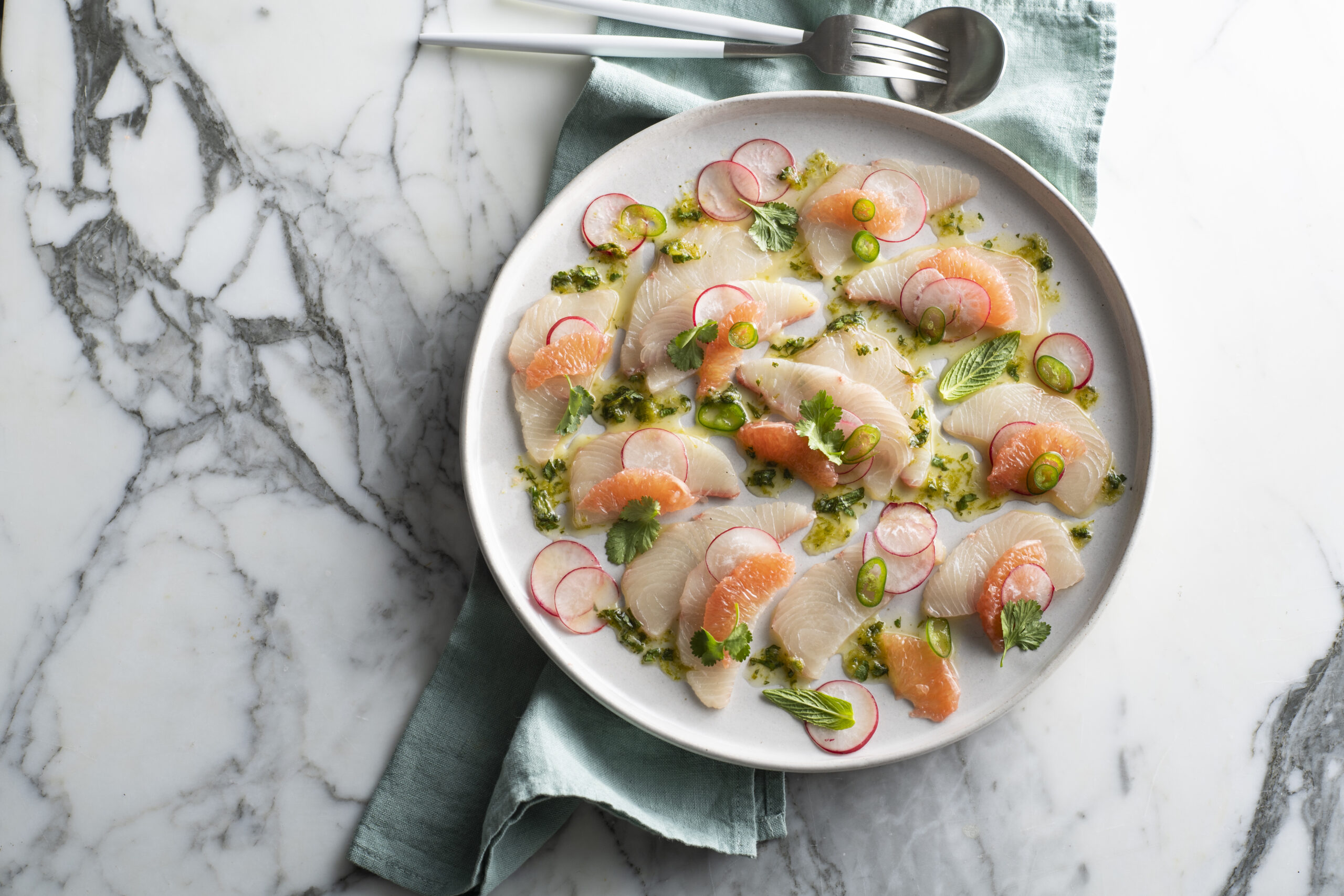
Capers, chilli, coriander, garlic, ginger, lemon, lemongrass, lime, parsley, soy sauce.
Imports
None. Frozen imported fillets of other species are sometimes sold as ‘Seabream’, although there is also an Australian fish called Seabream, which is actually a member of the Emperor family.