Description
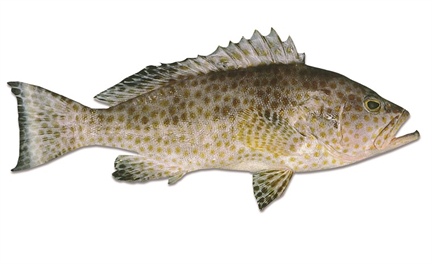
Available wild-caught, this bottom-dwelling marine fish has distinctive large yellowish-brown spots all over its pale body. Found in tropical waters over the continental shelf to depths of 200m and caught inshore off far north QLD, NT and northern WA, by traps, handlines and prawn trawlers.
Price
Medium priced.
Relations
Banded Rockcod, Bar Rockcod, Barramundi Cod, Blacktip Rockcod, Coral Cod, Coral Trout, Duskytail Grouper, Goldspotted Rockcod, Grouper, Longfin Perch, Longfin Rockcod, Maori Rockcod, Rankin Cod, Rockcod, Sixbar Grouper, Wirrah.
To Buy
Sold whole (gilled and gutted) and fillet form. In whole fish look for lustrous skin, firm flesh, and a pleasant, fresh sea smell. In fillets, look for yellowish-white, firm, lustrous, moist flesh without any brown markings or oozing water and with a pleasant fresh sea smell.
To Store
Make sure whole fish is scaled, gilled, gutted and cleaned thoroughly. Lay whole fish or fillets in a single layer on a plate and cover with plastic wrap or place in an airtight container. Refrigerate for up to 3 days or freeze whole fish for up to 6 months, and fillets or cutlets for up to 3 months, below -18ºC.
To Cook
Average yield is 47%. Has a mild flavour (with smaller specimens being slightly stronger flavoured, and fish from estuaries sometime shaving a slightly muddy flavour), low oiliness and moist, firm flesh with large flakes and few bones, which are easily removed.
The thick skin is best removed. The bones make excellent stock.
Score whole fish at the thickest part of the flesh. Cut thick fillets into serving-size portions to allow even heat penetration.
Cooking Methods
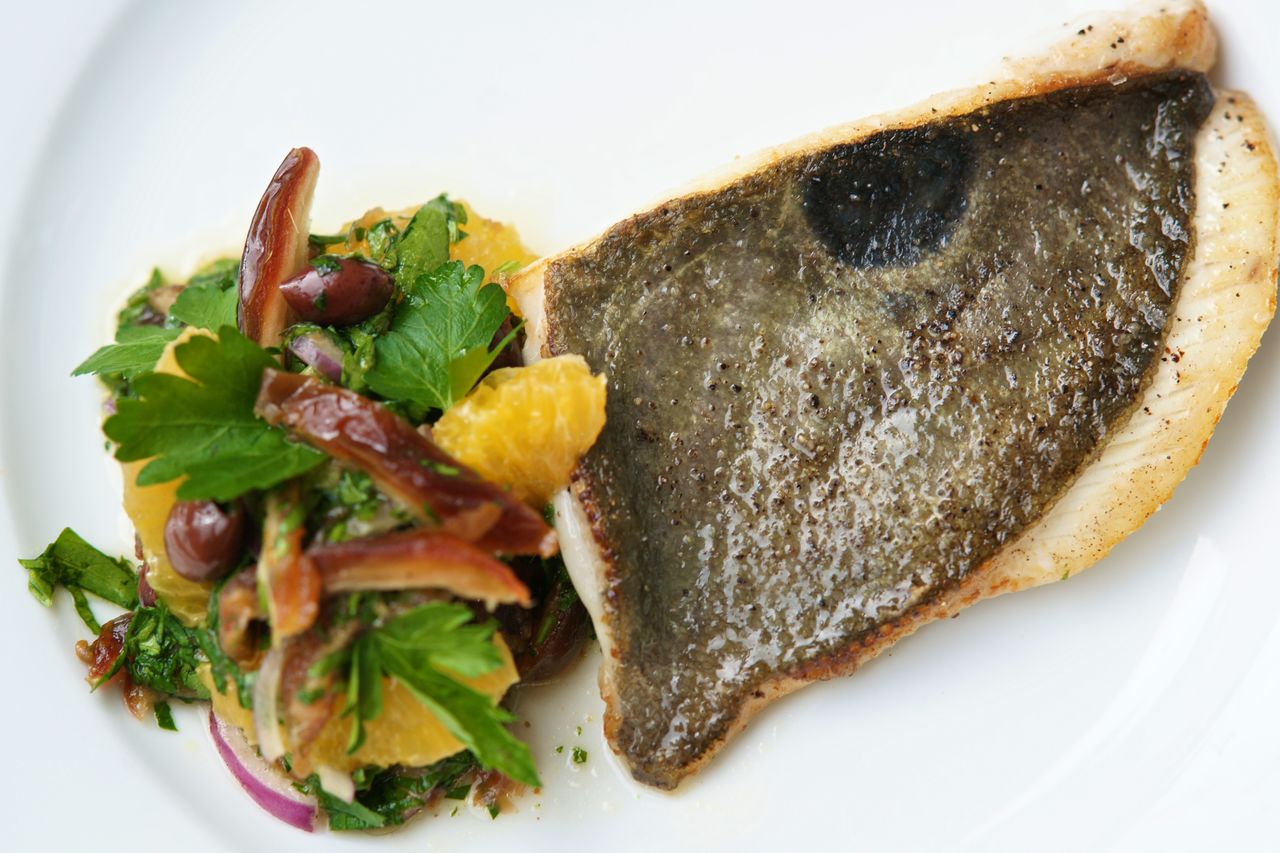
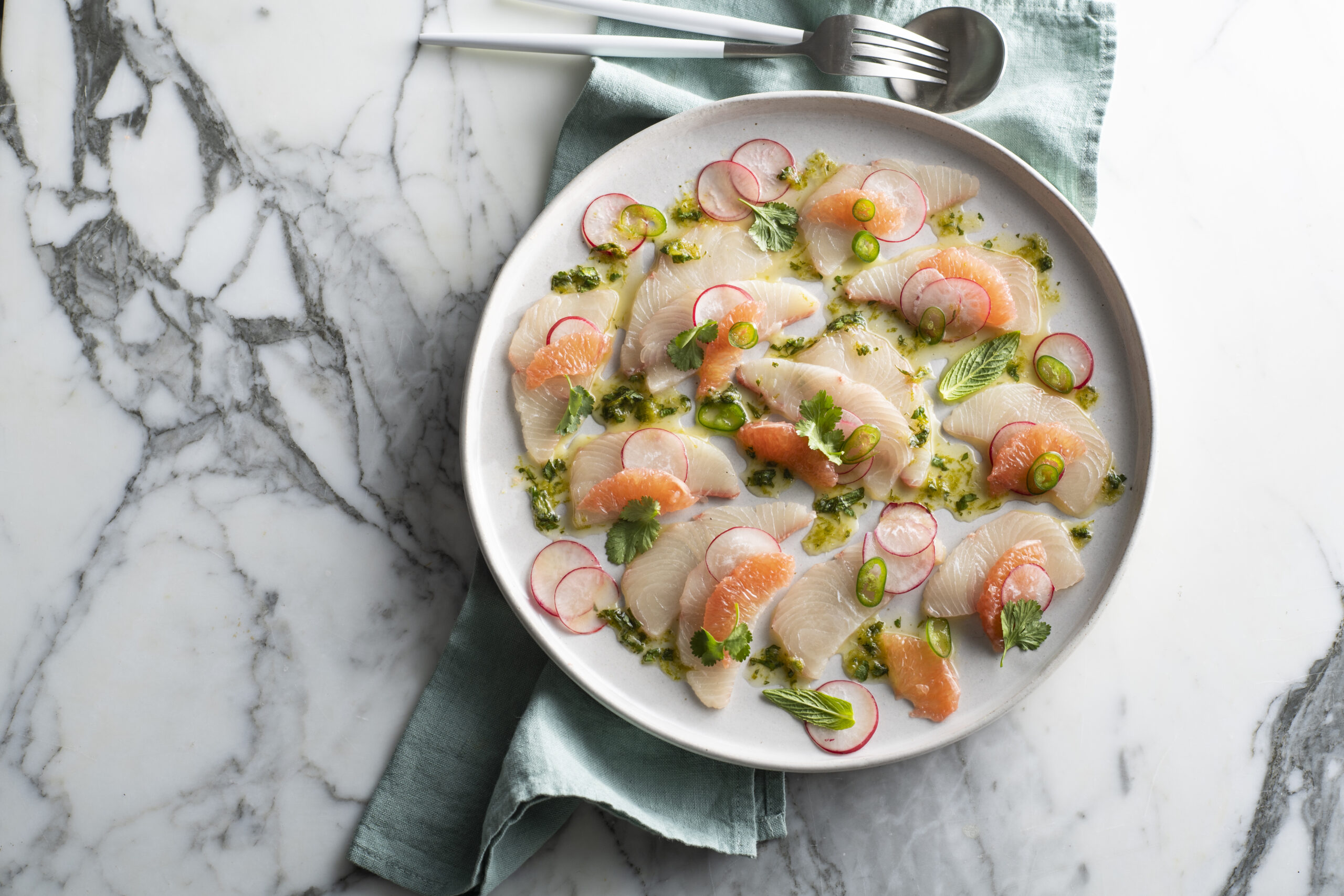
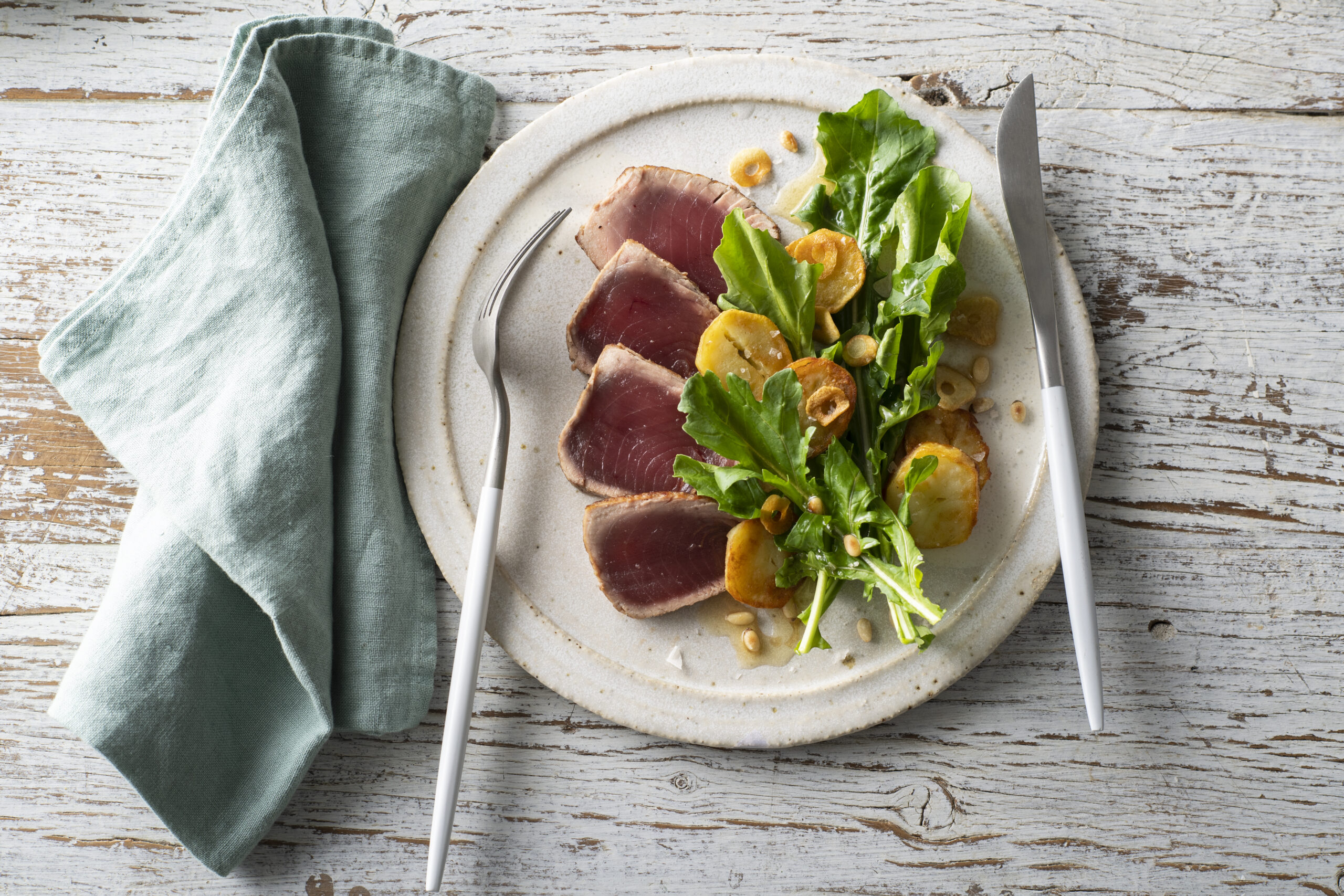
Steam, poach, deep-fry, pan-fry, stir-fry, bake, grill, barbecue, raw (sashimi). A good plate-sized fish cooked whole.
The firm flesh holds together well in soups, curries and casseroles and can be cubed for kebabs.
Goes Well With
Butter, capsicum, citrus (lemon, lime, mandarin, orange), herbs (including chives, dill, parsley), olives, tomato.
Imports
Frozen whole fish and fillets of various Rockcod species are imported from India, Myanmar and Namibia.