Description
Available both wild-caught and farmed, it is caught using gillnets in coastal and fresh waters in Australia’s tropical north, from the Ashburton River in WA to the Noosa River in Queensland. It lives in rivers, creeks, estuaries and coastal shallows, however all move into estuaries and coastal shallows to breed. NT, WA and QLD are important barramundi farming areas, though there are also farms in NSW and SA.
Farms located further south than Barramundi naturally occur use warm saline bore water to simulate the fish’s natural habitat and most farms use salt, rather than fresh, water. Barramundi is an Aboriginal word meaning ‘river fish with large scales’.
Price
Medium-high price, with plate-sized fish less expensive than larger fish.
Relations
Sand Bass (Psammoperca waigiensis).
To Buy
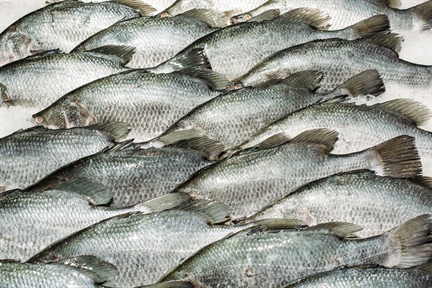
Large Barramundi is usually sold as fillets. In fillets, look for lustrous, firm, moist white-pinkish flesh without any brown markings or oozing water and with a pleasant fresh smell. Small Barramundi is mostly sold whole, look for firm flesh, which springs back when touched and a pleasant fresh smell.
To Store
Make sure whole fish is scaled, gutted and cleaned thoroughly. Wrap whole fish and fillets in plastic wrap or place in an airtight container. Refrigerate for 2-3 days or freeze whole fish for up to 6 months, and fillets or cutlets for up to 3 months, below -18ºC.
To Cook
Yield is 45-50%.
Barramundi flesh has medium-large flakes, mild flavour, low-medium oiliness depending on the season, moist flesh and soft-medium texture (smaller fish having softer flesh and smaller flakes).
Larger fish have only a few large bones, which can easily be removed. Cut large fillets into serving size portions. The centre bone of cutlets can be removed and a filling placed in the cavity. Baby Barramundi is best served whole (scaled, gutted and cleaned) as it is an ideal plate-sized fish.
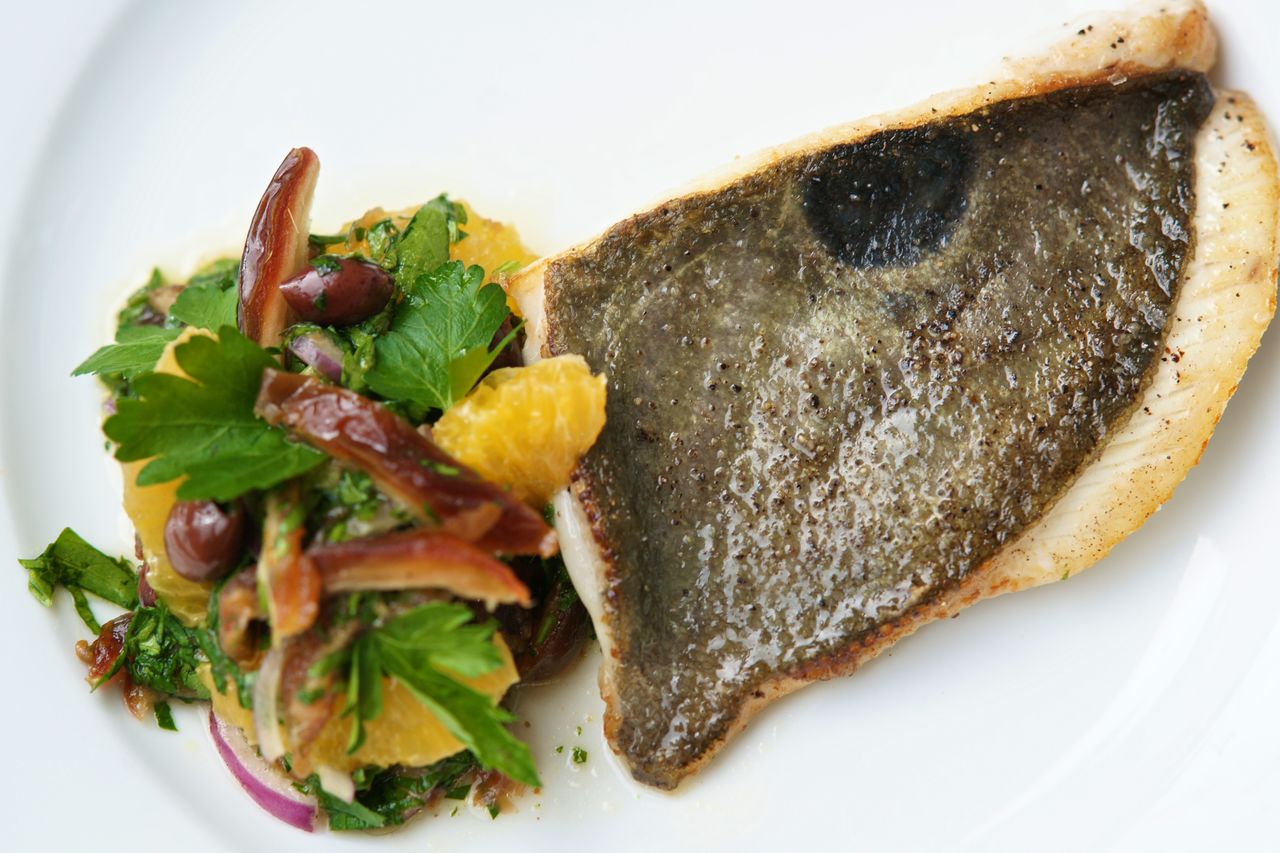
The fine skin can be left on during cooking. It is good barbecued or baked wrapped in paperbark or banana leaves to protect the delicate flesh.
Cooking Methods
Steam, deep-fry, pan-fry, bake, grill, barbecue.
Goes Well With
Asian greens, chilli, fresh herbs, lemon, lime, soy sauce, white wine.
Imports
Farmed product (whole and fillets) is also imported from India, South East Asia and Papua New Guinea. Nile perch (Lates niloticus), a closely related fish is imported from Africa. In fillet form, the two species are virtually indistinguishable, but Nile Perch cannot legally be sold as Barramundi.